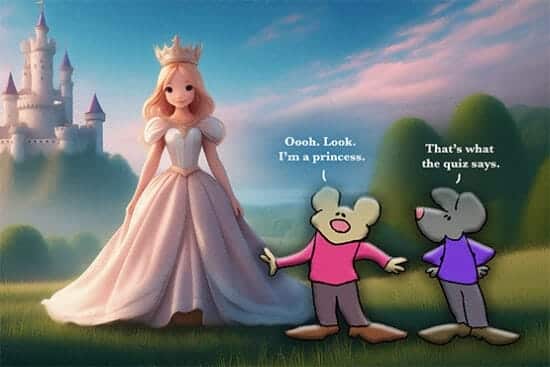
Copy and Paste By Linda Stowe
How many times have you seen a long post from a friend on Facebook about veterans, struggles with disease, loneliness—any number of life’s problems. You are drawn in because you are genuinely concerned about your friend. About halfway in, the tone shifts just enough that you begin to wonder whether this is really about your friend at all. Then you hit the telltale line: “Copy and paste this message.” That’s when you realize you’ve been had, and you begin to wonder whether your friend is stupid or simply gullible.
There are other versions that ask people to respond to a series of questions about life experiences or topics of general interest. They all have the same goal: to get you to copy and paste the message and send it out to all your friends.
These copy-and-paste cyber cons have been around for years. Why do people still fall for them? Don’t they know that the perpetrators often embed something in the message designed to identify gullible users, spread hoaxes, or collect personal information? I wish I could think of a comment to send to these people that would make the point—that posting these things is careless—without being too offensive.
Wordle guess words: about, begin, cyber, embed
~~~~~~~
Polly here.
I can’t stand those “copy and paste” testimonials. They are merely algorithm builders that set you up for slanted viewing on Facebook.
The other things people fall for are those question-type hooks.
“What kind of tree are you?”
“What does your name say about how nice you are?”
“What’s your secret strength?”
“Which fictional character are you most like?”
Do you know the ones? They are just data gatherers waiting to spam your next inbox.
Or this kind:
“Only 2% of people get this right—can you?”
These things are simply collecting data on people for many uses, none of which are good.
First, they are tracking your first and last name and any nicknames you might use. They snap up your birthdate, your age, and your gender. They’ll even collect your relationship status. In addition, these “quizzes” and “games” also take note of your political leanings. They also gather your emotional response to things. They find out who interacts with you, your FB friends, and family connections.
If all of that weren’t enough, many of these are designed to find out your passwords and recovery questions. They’ll ask about your favorite animal, your birthplace, your childhood dream job, and more.
All of this data-gathering can be used for target ads, political messaging, scam profiling, phishing, junk mail, and social manipulation campaigns.
These aren’t just “cute” games and quizzes. You are being mapped. Targeted. And eventually scammed in some way or another.
My advice? If you want to play a game, take a quiz, or go to the app store and get a legitimate game. But leave those online crooked ones alone. They are booking your face. All over Facebook.